This year’s report calls for a decisive shift in approach, aligning with the International Women’s Day 2025 theme: "Accelerate Action." We can no longer afford to wait. The missed opportunities for businesses, economies, and the next generation of female leaders are too great. To remain competitive in a rapidly evolving business landscape, mid-market firms must take bold steps now—setting ambitious diversity targets, embedding gender equality into their strategic agendas, and fostering environments where women can thrive at all levels of leadership.
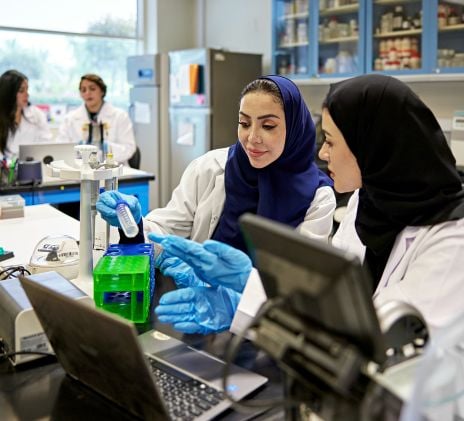
Saudi Arabia has undergone a remarkable transformation in its economic and social landscape in recent years, with female empowerment emerging as a key pillar of national development. While gender diversity initiatives have often been framed in terms of meeting quotas or compliance requirements, the real value lies far beyond mere numbers. Businesses in the Kingdom of Saudi Arabia (KSA) that actively integrate and empower women in leadership, decision-making, and entrepreneurship foster inclusivity and unlock a significant competitive advantage.
Saudi Arabia is undergoing a remarkable transformation, with female leadership emerging as a driving force in the Kingdom’s economic and social evolution. Over the past decade, significant policy reforms and cultural shifts have empowered Saudi women to take on leadership roles in business, government, and entrepreneurship. As the country moves towards achieving Vision 2030, which prioritises female participation in the workforce, the question remains: What’s next for women in business, and how will female leadership shape Saudi Arabia’s future?
Saudi Arabia is undergoing a profound economic transformation, with gender inclusivity emerging as a central pillar of the Kingdom’s Vision 2030. Historically, finance and advisory services have been male-dominated sectors, but the landscape is shifting rapidly as Saudi Arabia actively fosters greater female participation in the workforce. With progressive reforms, institutional support, and changing societal attitudes, women are increasingly assuming leadership roles and influencing the financial sector.
‘War’ is the only fitting description for the intensity of contest for labour skills and it’s getting even fiercer. The underlying problem is the shortage of available skills. That’s clearly seen in the fact that a record 57% of all mid-market companies now see this as a constraint to their growth, nearly twice the long-term average, as highlighted by Grant Thornton International’s Global Business Pulse.
Technology firms have experienced high growth potential in 2021, with this trend projected to continue, however firms need to consider how to build resilience against changing customer behaviours, how to access and retain tech talent as demand increases for this new human capital and how to navigate the complexities of an increasingly digital world. We explore these questions further.
The financial services sector is taking stock of the pandemic’s impact, and future working practices. Against this backdrop, Partners working with financial services clients around the globe share their perspectives on advancing female leaders in the sector, and enabling financial services businesses to realise the performance benefits of an inclusive culture.
Lockdowns and remote working have blurred the lines between business and professional lives and brought to the fore the physical and mental wellbeing of workforces. Health, morale, the working environment, skills, and productivity are critical issues and meeting those challenges is a priority.
The global pandemic has provided an enormous shock to businesses and, for many in the mid-market, fundamentally tested their ability to deal with crisis and disruption. We share insights relating to the risk and governance elements and how this can support in the effort to retune a business.
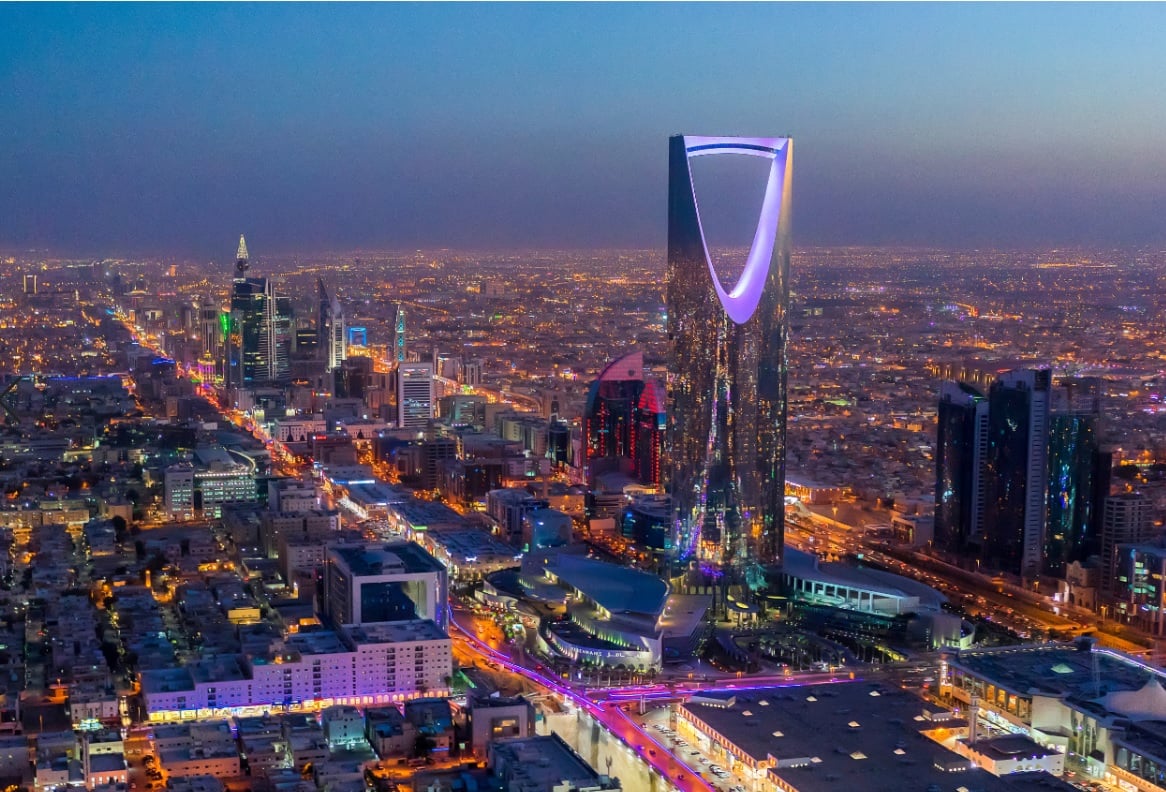
Recognised as one of the top twenty economies in the world (G20), the Kingdom of Saudi Arabia continues to be positioned as a key global market, particularly given it holds the world’s second largest oil reserve, is the largest exporter of oil and has the fifth-largest proven natural gas reserves, which have contributed to placing Saudi Arabia on the global map as a super-powerhouse.
Global business is facing a wave of disruptive influences that look set to spark the Fourth Industrial Revolution. We explore how the way professionals work is evolving, the leadership skills that will be needed within the dynamic mid-market to thrive, and how organisations can stay competitive in the war for talent and customers in 2030.
As businesses come to terms with a skilled worker shortage. Are technology and mobility two options for businesses struggling to find talent?
Grant Thornton is pleased to launch our annual Women in business 2018 report beyond policy to progress, which includes practical steps business leaders can consider to drive change and increase gender diversity in business
Tips to overcome talent shortages. A rise in business optimism means more organisations are on the lookout for talent, but with demand outstripping supply, where does it leave SMEs