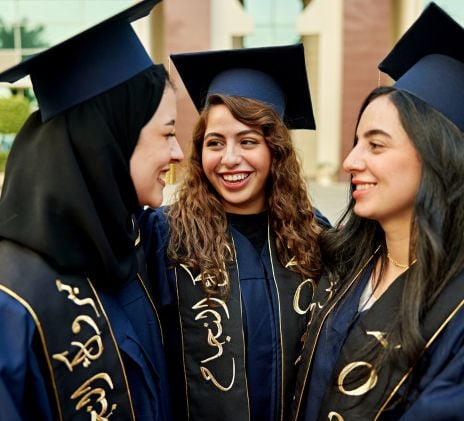

The Rapid Rise of Female Workforce

Saudi Arabia provides a notable example of how structural economic reforms can rapidly reshape workforce participation. Since the launch of Vision 2030 in 2016, the Kingdom has implemented a series of labour market reforms designed to increase female participation in economic activity, including removing employment restrictions, introducing flexible working frameworks and supporting entrepreneurship.

As a result, female labour force participation in Saudi Arabia has increased significantly, rising from approximately 17.4% in 2017 to around 35–36% by 2023–2025, exceeding the Kingdom’s original Vision 2030 target of 30%. This represents one of the fastest increases in female workforce participation globally and reflects the impact of labour market reforms and economic diversification initiatives introduced under Vision 2030.

This expansion is creating a larger pipeline of female professionals entering sectors critical to the Kingdom’s diversification strategy, including financial services, professional services, technology and healthcare. For mid-market businesses, which form a growing part of Saudi Arabia’s private sector economy, this evolving workforce composition presents both a strategic opportunity and a leadership imperative: organisations that successfully develop diverse leadership pipelines will be better positioned to compete for talent and scale alongside the Kingdom’s rapidly expanding economy.

Saudi Arabia Perspective

This expansion is creating a larger pipeline of female professionals entering sectors critical to the Kingdom’s diversification strategy, including financial services, professional services, technology and healthcare. For mid-market businesses, which form a growing part of Saudi Arabia’s private sector economy, this evolving workforce composition presents both a strategic opportunity and a leadership imperative: organisations that successfully develop diverse leadership pipelines will be better positioned to compete for talent and scale alongside the Kingdom’s rapidly expanding economy.

1.

Commercial benefits of gender diversity

Saudi Arabia’s economic transformation highlights the commercial value of expanding workforce participation and leadership diversity. As the Kingdom diversifies beyond oil, increasing female participation in the labour market has become an important driver of economic growth.

2.

Gender equality strategies 

Recent labour reforms have introduced greater workforce mobility, strengthened maternity protections and expanded flexible working arrangements. In parallel, the government has introduced initiatives designed to encourage female participation in entrepreneurship and leadership roles.

3.

Regional spotlight

While global progress in female leadership representation remains uneven, the Middle East has seen notable shifts in workforce participation over the past decade. Saudi Arabia has made significant progress in expanding educational attainment and workforce participation among women. Women now represent over 55% of university graduates in the Kingdom, creating a substantial pipeline of highly educated talent entering the workforce.

4.

Talent attraction and retention 

Competition for talent is intensifying across Saudi Arabia as the Kingdom accelerates its economic diversification strategy. Companies that demonstrate inclusive leadership structures and visible female role models are therefore likely to gain a competitive advantage in attracting the next generation of professionals entering Saudi Arabia’s rapidly evolving labour market.

Elevating Women in Leadership

Elevating Women in Leadership

Expanding female participation in the workforce is already strengthening the talent pipeline available to businesses across the economy. The next step for many organisations will be ensuring that this progress translates into greater visibility of women in leadership roles, helping companies build stronger governance, attract global investment and compete on an international stage. 

Download here [31064 kb]