The e-commerce industry in Saudi Arabia is booming and businesses are increasingly turning to online platforms to sell their products and services. However, with this growth comes greater vulnerability to cyber-attacks. Data protection and payment security are of paramount importance for any e-commerce business, and there are several steps that businesses can take to mitigate the risks. With a little planning and forethought, businesses can ensure their e-commerce operations are secure and safe from potential threats. This will protect not just your business, but also your customers and their personal data.
Family business is a key pillar of the Kingdom's economy and has played a significant role in its development. Saudi family businesses have evolved over the years, moving from traditional businesses to more modern and diversified enterprises. However, these businesses face challenges in terms of succession planning, governance, and technological transformation. There is a need for family businesses to undergo a transformation in order to remain relevant and competitive in the current market. Operational realignment, improved governance, and increased investment in technology are some of the key elements of this transformation.
Sustainability has become one of the most pressing concerns of our time. The term is used to describe the need to protect and conserve our natural resources while ensuring that future generations have the same access to them. To achieve this, organisations must take a sustainable approach to their operations. This means adopting practices that minimise the impact of their activities on the environment and ensure that they can continue to operate in the long term.
Upcoming changes in Saudi Arabia are set to challenge traditional business models and mindsets. With 2030 only eight years away, the rapid changes being implemented as part of the national transformation program are only set to increase in pace and magnitude.
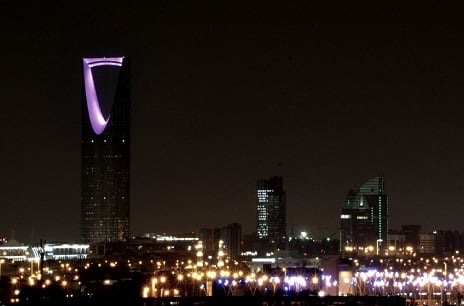
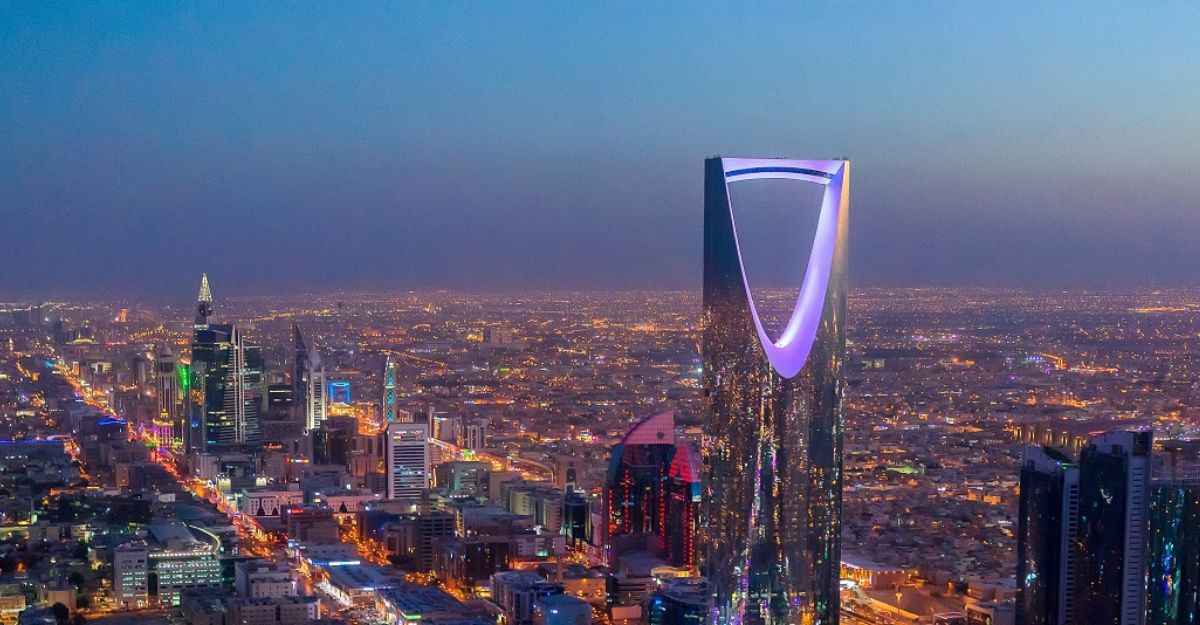
As the capital city of Saudi Arabia, Riyadh is key to the realisation of Crown Prince Mohammed bin Salman's visionary national development program. Given its centrality to the Kingdom's plans for social and economic transformation, the city is in the midst of rapid changes. What does this mean for businesses in Saudi Arabia and beyond? Investors, both domestic and international, are bound to take note of the considerable opportunities that will come with the realisation of the ambitious goals set out in Riyadh 2030.
We live in an era defined by recurring crises. When the global pandemic disrupted once-reliable supply chains in 2020, and two years later the globe was hit by an unanticipated energy crisis, businesses of all sizes were forced to reckon with the fact that their risk management practices might not be as robust as they thought
The creative industry is a major contributor to the cultural scene in KSA, providing richness and diversity. Saudi Arabia’s government recognizes the importance of this emerging industry and has made it a key pillar of its Vision 2030 plan
The United Kingdom is one of the most influential countries in the world, both politically and economically. With a thriving capital city and bustling business scene, there are many opportunities for investors looking to go beyond their current horizons and explore new territories.
The United States of America is the world's foremost economic and military power, as well as a leading cultural force. It is home to some of the world's most innovative businesses and has a highly skilled and educated workforce. For decades, the U.S. has attracted top talent from around the globe, making it a hub for creativity and innovation. In the global cultural psyche, the country is considered "the land of opportunity" and for many investors, it is seen as a safe and stable place to do business.
Saudi Arabia has the largest economy in the Arab League and the 19th largest in the world. However, reliance on oil revenues has made the Saudi economy vulnerable to fluctuations in global energy prices.
The last quarter of 2021 was a record-breaking one for Saudi Arabia as the country saw a 400% increase in foreign investment licence issuance compared to the same quarter of the previous year. Most of this investment was in the technology sector, with start-ups and SMEs seeing substantial growth.
Saudi Arabia is fortunate to have an abundance of oil resources. This has been the foundation of their economy for decades, allowing the Kingdom to become one of the world’s leading energy producers. However, since the 1970s, Saudi leaders have expressed a desire to move the nation away from total economic dependence on oil revenue. In 2016, Crown Prince Mohammed Bin Salman announced his Vision 2030 plan for the future of the nation. This agenda seeks to diversify the Saudi economy and increase private sector participation.
In 2022, Grant Thornton’s Women in Business research has once again tracked the position of women in senior management across the world, and the progress towards gender parity in leadership. In this year’s data, we see mid-market businesses across the world taking decisive action to mould more flexible working practices around the needs of their people. They say that they are prioritising employee engagement and modelling open, inclusive working environments. By so doing, organisations are opening the door to bring female talent into senior positions in greater numbers than ever before.
The stampede of mid-market companies looking to expand internationally continues, despite the added challenges of transport costs and disruptions. The percentage of companies expecting to increase exports in the next 12 months remains high at 45%, while the percentage expecting to increase international revenue has risen 3 percentage points to 44%, according to Grant Thornton International’s Business Pulse.
As we move from voluntary ESG initiatives to mandatory legislation, we explore what the banking sector needs to prioritise.
Four key barriers in the way of the mid-market realising its sustainability aspirations.