Saudi Arabia is the largest economy in the Middle East and North Africa (MENA) region and has the world’s second-largest proven petroleum reserves. The Saudi economy has historically been dependent on oil revenues, but since 2015 it has been undergoing significant structural reforms to diversify its economy and reduce its dependency on oil. The Saudi government has ambitious plans to transform the economy and has made considerable progress in recent years through its Saudi Vision 2030 reform program.
Saudi Arabia has a booming construction industry, with numerous high-profile projects underway. The Saudi government is investing heavily in infrastructure development, which is providing a significant boost to the construction sector
Saudi Arabia is experiencing an unprecedented transformation not witnessed since the nation first discovered oil. This transformation, which is being driven by Crown Prince Mohammed bin Salman, is called Saudi Vision 2030
Considered the true north — strong and free — Canada is a land of opportunity with much to offer investors. From its abundant natural resources to its thriving economy, Canada is an attractive destination for those looking to go beyond the status quo. Despite America's northern neighbour often being overshadowed by its southern counterpart, Canada is a powerhouse in its own right and should not be overlooked by investors.
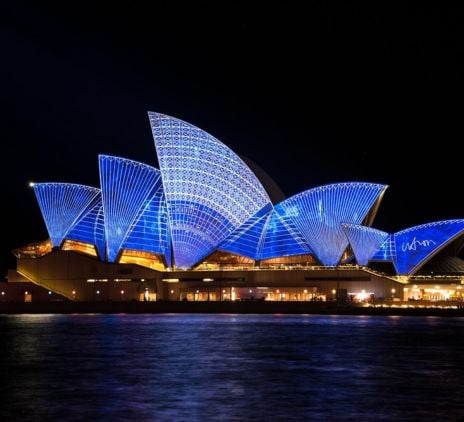
Australia's economy is highly resilient, having navigated its way through the global financial crisis relatively unscathed. So, if you're looking for a new market to invest in, Australia should be on your radar. This article will give you an overview of the key reasons why Australia is such an attractive investment destination.
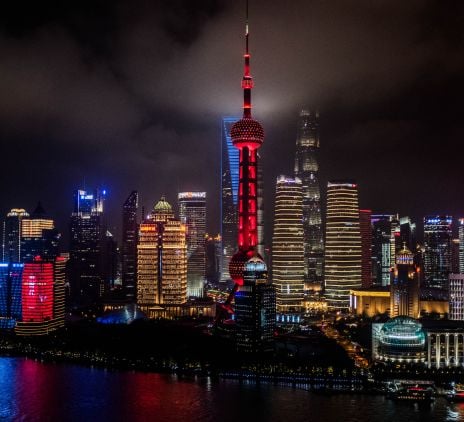
China has been a major destination for foreign investment for decades. The country offers a number of unique advantages and opportunities for businesses looking to expand their operations. Here are just a few of the reasons why China is such an attractive investment destination.
As part of Saudi Arabia's move towards economic diversification, the country has been actively seeking to attract foreign direct investment (FDI). Unexpected global events such as the outbreak of Covid-19 have caused significant changes in FDI patterns globally, and KSA is no exception. In this article, we explore the FDI trends in KSA over the past 12 months and look at how the pandemic has impacted investment flows as well as the projected trends moving forward.
The e-commerce industry in Saudi Arabia is booming and businesses are increasingly turning to online platforms to sell their products and services. However, with this growth comes greater vulnerability to cyber-attacks. Data protection and payment security are of paramount importance for any e-commerce business, and there are several steps that businesses can take to mitigate the risks. With a little planning and forethought, businesses can ensure their e-commerce operations are secure and safe from potential threats. This will protect not just your business, but also your customers and their personal data.
Family business is a key pillar of the Kingdom's economy and has played a significant role in its development. Saudi family businesses have evolved over the years, moving from traditional businesses to more modern and diversified enterprises. However, these businesses face challenges in terms of succession planning, governance, and technological transformation. There is a need for family businesses to undergo a transformation in order to remain relevant and competitive in the current market. Operational realignment, improved governance, and increased investment in technology are some of the key elements of this transformation.
In the business world, due diligence is commonly used in mergers and acquisitions (M&A) transactions, where one company intends to buy another. In these cases, due diligence typically refers to the process of investigating a target company's financial and operational condition prior to the acquisition. The goal is to identify any potential problems or risks that could lessen the value of the target company or make the deal less attractive. Failure to conduct due diligence can have severe consequences, as illustrated by the Enron scandal.
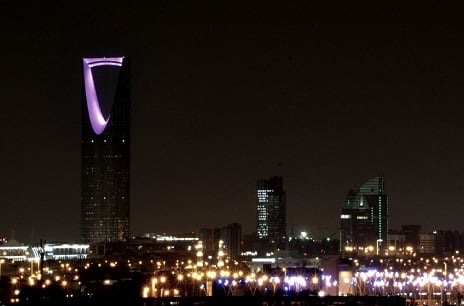
As the capital city of Saudi Arabia, Riyadh is key to the realisation of Crown Prince Mohammed bin Salman's visionary national development program. Given its centrality to the Kingdom's plans for social and economic transformation, the city is in the midst of rapid changes. What does this mean for businesses in Saudi Arabia and beyond? Investors, both domestic and international, are bound to take note of the considerable opportunities that will come with the realisation of the ambitious goals set out in Riyadh 2030.
The United Kingdom is one of the most influential countries in the world, both politically and economically. With a thriving capital city and bustling business scene, there are many opportunities for investors looking to go beyond their current horizons and explore new territories.
The United States of America is the world's foremost economic and military power, as well as a leading cultural force. It is home to some of the world's most innovative businesses and has a highly skilled and educated workforce. For decades, the U.S. has attracted top talent from around the globe, making it a hub for creativity and innovation. In the global cultural psyche, the country is considered "the land of opportunity" and for many investors, it is seen as a safe and stable place to do business.
Saudi Arabia has the largest economy in the Arab League and the 19th largest in the world. However, reliance on oil revenues has made the Saudi economy vulnerable to fluctuations in global energy prices.
The last quarter of 2021 was a record-breaking one for Saudi Arabia as the country saw a 400% increase in foreign investment licence issuance compared to the same quarter of the previous year. Most of this investment was in the technology sector, with start-ups and SMEs seeing substantial growth.
Saudi Arabia is fortunate to have an abundance of oil resources. This has been the foundation of their economy for decades, allowing the Kingdom to become one of the world’s leading energy producers. However, since the 1970s, Saudi leaders have expressed a desire to move the nation away from total economic dependence on oil revenue. In 2016, Crown Prince Mohammed Bin Salman announced his Vision 2030 plan for the future of the nation. This agenda seeks to diversify the Saudi economy and increase private sector participation.