Saudi Arabia’s sports sector has entered a decisive phase of maturity. Significant investment has accelerated the development of professional leagues, global sporting events and elite infrastructure. As the market evolves, attention is shifting from rapid growth towards value creation, commercial discipline and long-term sustainability.
Saudi Arabia has become an increasingly attractive destination for business process outsourcing as part of its broader economic diversification agenda under Vision 2030. Organisations across sectors, including finance, healthcare, technology, logistics, and government services, are leveraging BPO models to enhance efficiency, manage costs, and access specialised capabilities.
The Kingdom of Saudi Arabia is witnessing rapid growth in emerging technology sectors, particularly artificial intelligence, gaming and digital platforms. These sectors are attracting significant investment as part of Vision 2030’s broader push to diversify the economy, enhance digital infrastructure and promote innovation. For investors, understanding how to value ventures in these high-growth, high-risk sectors is critical to making informed decisions, structuring investments effectively and managing risk.
Business Process Outsourcing (BPO) is rapidly gaining traction in Saudi Arabia as companies seek to streamline operations, reduce costs, and focus on strategic growth. From customer service and back-office operations to IT, data management, and legal services, organisations are increasingly leveraging BPO providers to deliver specialised expertise and operational efficiency.
Saudi Arabia’s rapid digital transformation is reshaping how organisations operate, compete, and create value. Cloud adoption, data-driven decision-making, AI-enabled platforms, and ecosystem partnerships are now central to business strategy across both the public and private sectors. As data volumes grow and digital interdependencies deepen, data security and governance have moved decisively out of the IT function and into the core of enterprise leadership.
As organisations adopt more advanced digital tools, including AI-enabled applications, boards and audit committees must remain clear on one fundamental principle, that management owns outcomes, and audit verifies the governance and evidence that support them.
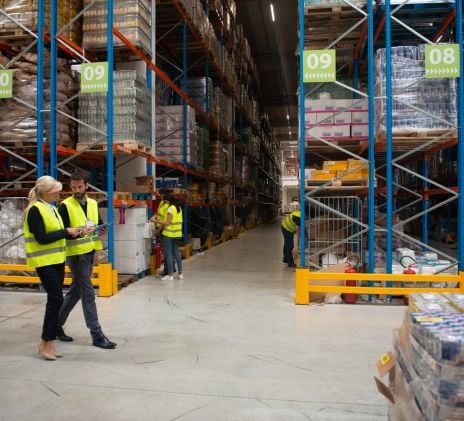
Saudi Arabia is rapidly transforming into a global logistics and industrial hub, supported by large scale investments, strategic infrastructure development, and a strong regulatory framework designed to modernise trade. As businesses expand and diversify within the Kingdom, supply chain resilience has become a fundamental priority. Recent global disruptions have highlighted the need for robust contractual structures, strengthened compliance, and proactive risk mitigation strategies to protect operations and maintain continuity.
Financial reporting in the Kingdom of Saudi Arabia is entering a new era. Driven by regulatory transformation, accelerated market development, and deeper global integration, the reporting landscape is becoming more complex, more transparent, and more strategically important. For CFOs, these shifts demand not only compliance but a forward-looking approach to how financial information is produced, governed, and communicated.
The Saudi tax landscape for digital platforms continues to evolve. In line with its broader efforts to strengthen VAT compliance in the digital economy, Zakat, Tax and Customs Authority (ZATCA) has issued a detailed guide clarifying VAT obligations for electronic marketplaces acting as “deemed suppliers”.
Local Content compliance in Saudi Arabia has entered a more mature and demanding phase. What was once treated as a supporting bid requirement is now a decisive factor in eligibility, scoring, and long-term contract sustainability. For organisations competing for government and strategic projects, local content is a core component of regulatory credibility.
Local content has firmly moved beyond being a regulatory obligation in Saudi Arabia. What was once viewed primarily as a compliance exercise is now a defining factor in winning contracts, strengthening competitiveness, and unlocking long-term value across the Kingdom’s most strategic sectors.
As Saudi Arabia continues to recalibrate its fiscal, regulatory, and commercial landscape under Vision 2030, corporate restructuring has become a core strategic lever for businesses seeking scale, efficiency, and capital optimisation. Mergers, demergers, asset transfers, legal-form conversions, and group reorganisations are increasingly driven not only by growth objectives, but also by evolving tax, Zakat, and regulatory considerations.
Saudi Arabia’s local content agenda is entering a new phase. What began as a policy lever to increase in-kingdom participation is evolving into a more mature, data-driven regulatory regime aligned with Vision 2030 objectives around economic diversification, industrial capability building, and long-term value creation.
Saudi Arabia continues to strengthen its tax landscape as part of its broader economic transformation and alignment with global standards. With many multinational groups establishing Regional Headquarters in the Kingdom as part of the Regional HQ Programme, the role of the Zakat, Tax and Customs Authority (ZATCA) has become even more significant. Regional HQs are now expected to demonstrate robust compliance, transparent reporting, and clear economic substance within Saudi Arabia.
Saudi Arabia’s sports sector is entering a new and pivotal phase. Guided by the ambitions of Vision 2030, the Kingdom is reshaping its sports landscape through comprehensive legal and regulatory reform. These changes are accelerating the professionalisation of clubs, enhancing protections for players, and creating an increasingly attractive environment for both domestic and international investment. The result is a sector that is more transparent, commercially viable, and aligned with global sporting standards.
The Ministry of Finance has issued a resolution extending the Tax Amnesty Initiative, as published on page one of the Official Gazette, Issue No. 5135.