India and Saudi Arabia are uniquely positioned to collaborate and create a powerful start-up ecosystem due to their respective economic growth, demographic profiles, and strategic priorities. Both countries have firmly committed to fostering innovation and entrepreneurship, making them ideal partners in the global start-up landscape. Their convergence presents a unique opportunity for both countries to leverage each other’s strengths, foster innovation, and accelerate economic transformation.
The CII-Grant Thornton Bharat report, ‘Unlocking opportunities: India-Saudi Arabia start-up ecosystem convergence’, serves as a comprehensive guide, highlighting the recent collaboration between India and the Kingdom of Saudi Arabia in the start-up landscape. The report uncovers vast opportunities within the start-up ecosystem convergence and provides essential recommendations for investors, start-ups and policymakers to enhance and streamline this promising partnership.
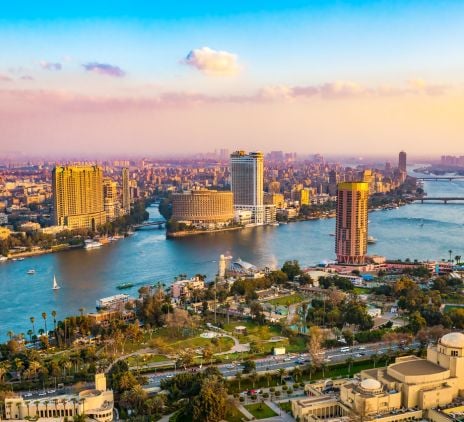
Egypt is an attractive investment destination for many reasons, with one of the most obvious being its geographic location. The country lies in the heart of North Africa and serves as a bridge between Europe, Asia, and Africa. This makes it strategically crucial on both global and regional levels, creating promising prospects for investments in transportation, logistics, as well as other infrastructure projects
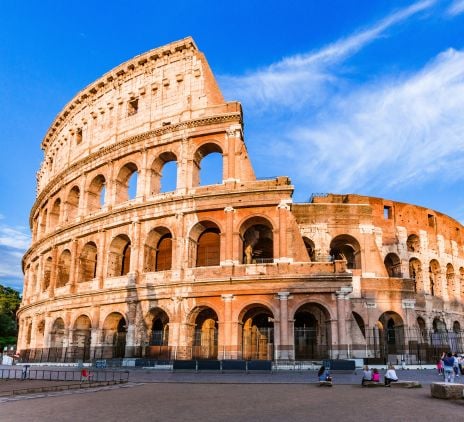
Historically, Italy has been a land of opportunity, culture, and beauty. Home to the ancient Roman civilization, and the birthplace of the Renaissance period, Italy has been a key player in world history. Today, the country is now the eighth-largest economy in the world and the third-largest national economy in Europe. Italy is a country with immense potential for investment opportunities. With an economy of over $2 trillion, Italy offers investors numerous resources and prospects. In this article, we will explore the resources, prospects, and investments available in Italy.
India is a land of diverse opportunities. The country has a rich history and is home to a wide range of cultures, religions, and languages. India is also the world's second most populous country, with over 1.3 billion people. Despite its vast size and population, India is sometimes overlooked as an investment destination.
The Republic of South Africa is the southernmost country in Africa. It is a middle-income emerging market with an abundant supply of natural resources, and well-developed financial, legal, communications, energy, and transport sectors. Since the end of apartheid in 1994, South Africa has made great strides towards developing a more inclusive and prosperous society. The country is now known for its rich and vibrant culture, delicious food, and stunning natural landscapes.
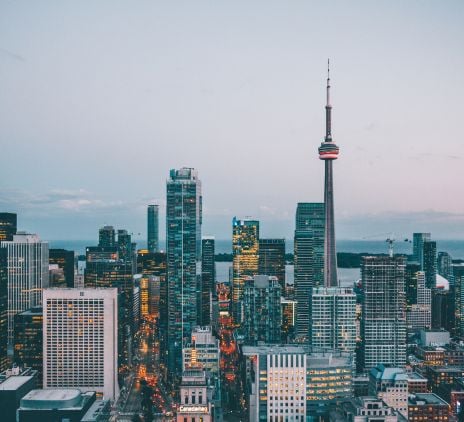
Considered the true north — strong and free — Canada is a land of opportunity with much to offer investors. From its abundant natural resources to its thriving economy, Canada is an attractive destination for those looking to go beyond the status quo. Despite America's northern neighbour often being overshadowed by its southern counterpart, Canada is a powerhouse in its own right and should not be overlooked by investors.
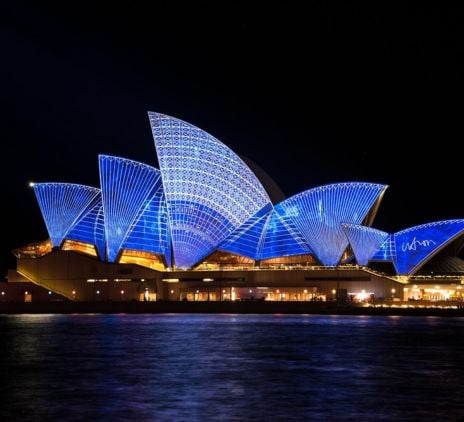
Australia's economy is highly resilient, having navigated its way through the global financial crisis relatively unscathed. So, if you're looking for a new market to invest in, Australia should be on your radar. This article will give you an overview of the key reasons why Australia is such an attractive investment destination.
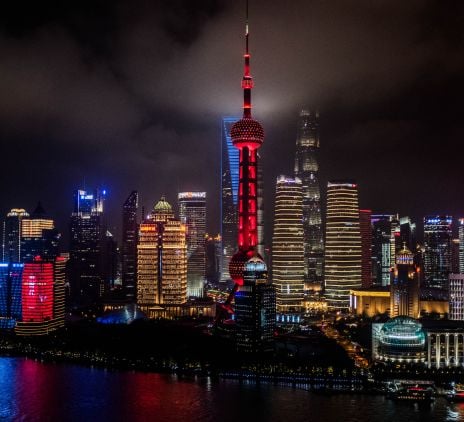
China has been a major destination for foreign investment for decades. The country offers a number of unique advantages and opportunities for businesses looking to expand their operations. Here are just a few of the reasons why China is such an attractive investment destination.
When banks raise interest rates, it affects the economy in different ways. Consumers may spend less because it costs more to borrow money, while savers may benefit from higher interest rates on their deposits. Investors may also be impacted, as higher rates can make stocks less attractive compared to bonds. All of these factors can have an impact on Saudi Arabia, both domestically and in its role as a key player in the global economy.
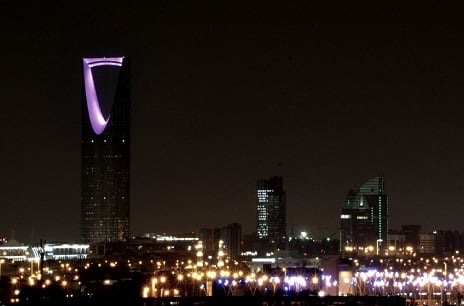
As the capital city of Saudi Arabia, Riyadh is key to the realisation of Crown Prince Mohammed bin Salman's visionary national development program. Given its centrality to the Kingdom's plans for social and economic transformation, the city is in the midst of rapid changes. What does this mean for businesses in Saudi Arabia and beyond? Investors, both domestic and international, are bound to take note of the considerable opportunities that will come with the realisation of the ambitious goals set out in Riyadh 2030.
We live in an era defined by recurring crises. When the global pandemic disrupted once-reliable supply chains in 2020, and two years later the globe was hit by an unanticipated energy crisis, businesses of all sizes were forced to reckon with the fact that their risk management practices might not be as robust as they thought
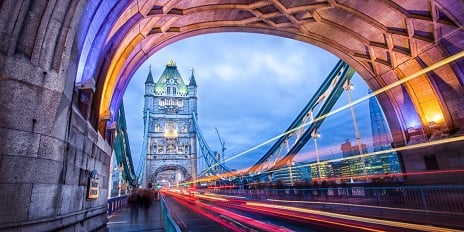
The United Kingdom is one of the most influential countries in the world, both politically and economically. With a thriving capital city and bustling business scene, there are many opportunities for investors looking to go beyond their current horizons and explore new territories.
This paper draws out key points made by the GPPC roundtable participants and highlights areas where there is both convergence and divergence of opinion.
The United States of America is the world's foremost economic and military power, as well as a leading cultural force. It is home to some of the world's most innovative businesses and has a highly skilled and educated workforce. For decades, the U.S. has attracted top talent from around the globe, making it a hub for creativity and innovation. In the global cultural psyche, the country is considered "the land of opportunity" and for many investors, it is seen as a safe and stable place to do business.
Saudi Arabia has the largest economy in the Arab League and the 19th largest in the world. However, reliance on oil revenues has made the Saudi economy vulnerable to fluctuations in global energy prices.