In 2022, Grant Thornton’s Women in Business research has once again tracked the position of women in senior management across the world, and the progress towards gender parity in leadership. In this year’s data, we see mid-market businesses across the world taking decisive action to mould more flexible working practices around the needs of their people. They say that they are prioritising employee engagement and modelling open, inclusive working environments. By so doing, organisations are opening the door to bring female talent into senior positions in greater numbers than ever before.
We explore whether TMT businesses can seize the opportunities of growing demand, or if they will be held back by the challenges presented by regulation and access to talent.
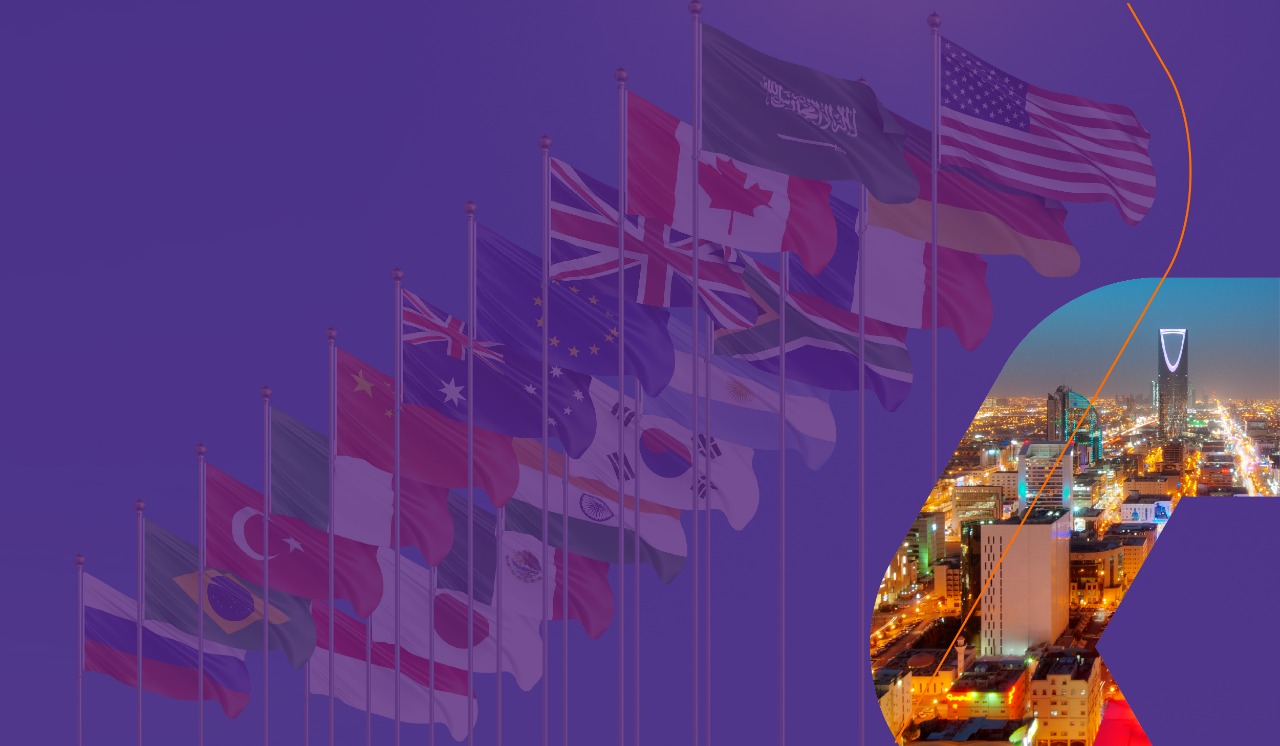
Despite the set back caused by the pandemic, the G20 countries continue to act as a launchpad for businesses wishing to penetrate global markets in both a virtual and physical environment. This summarised guide highlights the strategic and commercial value which the G20 countries offer, supporting dynamic businesses to consider reigniting their growth path in new markets, which require diverse solutions, services and new innovative approaches.
For 17 years, Grant Thornton has been tracking the global progress of women in senior management. In this summary report we share the insights from the 2021 study, along with the progress being made across the Gulf, whilst highlighting the thoughts of key leaders.
In the immediate aftermath of COVID-19, businesses looked to improve their cash flow management and focus on day-to-day survival, leaning heavily on government support packages. But longer-term, businesses will need greater liquidity as they move towards a post-covid era. They will need to invest in adjusting to the changes, to sustain operations and stay competitive. Raising finance to do so will be essential. We share key insights relating to accessing finance
Regulatory changes can be challenging at the best of times but with many businesses focused on day-to-day survival, recent rule changes have proved particularly problematic. In the early stages of the pandemic, governments had to act quickly to protect lives and support the economy, meaning businesses had little time to prepare. As attention turns to the future and recovery, further regulatory changes are inevitable. With many governments talking about a ‘green recovery’ environmental, social, and governance regulations may tighten.
The COVID-19 pandemic presents extreme challenges to businesses and the competitive landscape will be a hot bed of innovation, quick pivots, divestments and acquisitions as businesses devise new models to recover growth. This insight explores how businesses need to navigate the market dynamics.
The global pandemic combined with economic uncertainty is changing the way people consume products and services – possibly forever. Businesses will become irrelevant to their customer base if they fail to understand the changing behaviours and priorities brought about by the pandemic. Understanding the customer’s new world has never been more critical. Mid-market businesses need to use this time to assess whether they have the right business intelligence and engagement tools to understand and meet their customers’ changing needs.
Lockdowns and remote working have blurred the lines between business and professional lives and brought to the fore the physical and mental wellbeing of workforces. Health, morale, the working environment, skills, and productivity are critical issues and meeting those challenges is a priority.
The mid-market already had a reputation for agility but the COVID crisis has forced leaders to take an even closer look at how their operations can be more responsive. As they prepare for the future, businesses are taking stock of their existing operations and questioning whether they are fit for purpose.
Technology played a critical role in mitigating the impact of the virus. Whether helping employees to perform their jobs or providing a platform for fulfilling products and services, technology enabled new ways of doing business. However, looking to the future building resilience through digital transformation requires balancing short-term necessity with realising the long term opportunity.
The global pandemic has provided an enormous shock to businesses and, for many in the mid-market, fundamentally tested their ability to deal with crisis and disruption. We share insights relating to the risk and governance elements and how this can support in the effort to retune a business.
The surge in technology during covid-19
COVID-19 is continuing to challenge the business landscape like no other event before it. Many in the mid-market are now fully focused on building greater resilience into their operations, however, true resilience goes beyond short-term survival. Our series of insights can help businesses look at the external drivers and internal enablers that will underpin their strategy and programmes, whilst working in sync to boost performance.
Women in senior leadership positions pass critical 30% mark despite global pandemic.