Unlocking Value in Saudi Sports: Commercialisation, Fan Engagement and Long-Term Sustainability


For investors, rights holders and operators, the challenge is to convert sporting momentum into resilient commercial models that deliver lasting economic and social returns. From an audit and advisory perspective, the next stage of development requires robust governance, transparent financial structures, and data-driven engagement strategies that support sustainable growth.
Commercialisation Beyond Sponsorship
Sponsorship has been a primary driver of revenue growth across Saudi sports. While this remains important, long-term value creation depends on diversifying income streams. Media rights, licensing, digital content, merchandising and venue utilisation are increasingly central to commercial strategy.
Effective commercialisation requires clear contractual frameworks, sound valuation of rights and disciplined revenue recognition. As rights packages become more complex and cross-border partnerships expand, financial reporting and tax considerations play a critical role in protecting value and managing risk. Organisations that invest in structured commercial models are better positioned to withstand market fluctuations and regulatory scrutiny.
Fan Engagement as a Strategic Asset
Fan engagement has become a measurable commercial asset rather than a purely marketing function. Digital platforms, social media, data analytics and immersive experiences are reshaping how fans interact with clubs, leagues and events. In Saudi Arabia, a young and digitally engaged population presents a significant opportunity to build loyal fan bases with global reach.
However, monetising fan engagement requires careful governance of data, technology and partnerships. Organisations must balance innovation with compliance, particularly in relation to data protection, consumer transparency and cybersecurity. From an assurance perspective, controls around data usage and digital revenue streams are essential to maintaining trust and regulatory alignment.
Financial Sustainability and Cost Discipline
Rapid investment can mask underlying financial vulnerabilities if cost structures are not aligned with sustainable revenue growth. Player wages, event hosting costs and infrastructure commitments must be supported by realistic long-term financial planning.
Financial sustainability is closely linked to governance and internal control. Budgeting, forecasting and performance monitoring enable organisations to assess the true return on investment of sporting assets. Transparent financial reporting also supports investor confidence and enables informed decision-making by public and private stakeholders.
Governance and Regulatory Alignment
As the sports sector professionalises, expectations around governance continue to rise. Boards and executive management are increasingly accountable for financial stewardship, ethical conduct and regulatory compliance. This includes oversight of sponsorship arrangements, player contracts, intellectual property rights and joint ventures.
In Saudi Arabia, alignment with national regulatory frameworks and sector oversight is essential. Clear governance structures help organisations manage conflicts of interest, ensure compliance and demonstrate accountability to regulators and investors alike.
Long-Term Economic and Social Impact
Sports investment in Saudi Arabia is not solely a commercial endeavour. It also supports broader economic diversification, tourism development and social inclusion objectives. Sustainable sports organisations contribute to employment, skills development and community engagement.
Measuring and reporting this impact requires reliable data and consistent methodologies. Assurance over non-financial information is becoming increasingly relevant as stakeholders seek transparency on how sports investments contribute to national development goals.
The Role of Audit and Advisory Support
Audit and advisory functions play a key role in supporting the sector’s evolution. This includes advising on commercial structuring, strengthening governance frameworks, enhancing financial controls and providing assurance over complex revenue models. By adopting a holistic approach, organisations can align commercial ambition with financial discipline and regulatory confidence.
Saudi Arabia’s sports sector is well-positioned to become a global benchmark for professionally managed, commercially sustainable sports markets. Unlocking long-term value will depend on disciplined commercialisation, responsible fan engagement and strong governance foundations. For sports organisations and investors, the opportunity lies not only in growth but in building resilient structures that deliver value well beyond the next season or event.
-
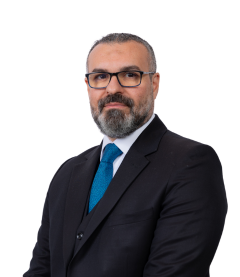 Imad Adileh Imad is a seasoned leader in Assurance and Advisory, specialising in complex assurance services and business consulting.
View Profile