Saudi Arabia is transforming at an unprecedented pace. Vision 2030 is opening doors to new industries, bold initiatives, and global opportunities, an era where ambition meets action.
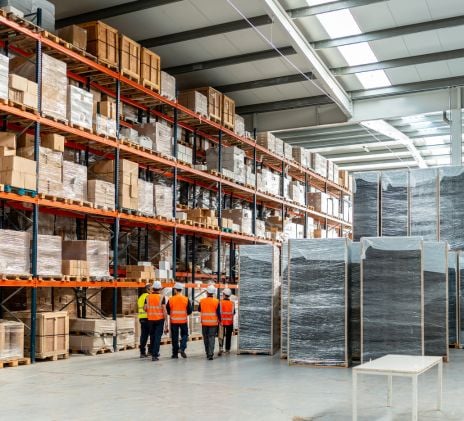
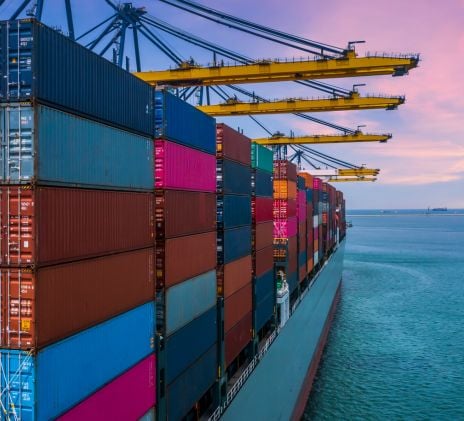
Saudi Arabia is rapidly transforming into a global logistics and industrial hub, supported by large scale investments, strategic infrastructure development, and a strong regulatory framework designed to modernise trade. As businesses expand and diversify within the Kingdom, supply chain resilience has become a fundamental priority. Recent global disruptions have highlighted the need for robust contractual structures, strengthened compliance, and proactive risk mitigation strategies to protect operations and maintain continuity.
Last-mile delivery refers to the final stage of the logistics journey, where goods move from a fulfilment centre, hub, or distribution point to the end customer. While it is operationally the “last” step, it is often the most visible, complex, and costly part of the entire supply chain.
In 2023, the International Sustainability Standards Board (ISSB) issued its first two international IFRS Sustainability Disclosure Standards (IFRS SDS), IFRS S1 ‘General Requirements for Disclosure of Sustainability-related Financial Information’ and IFRS S2 ‘Climate-related Disclosures’.
The government of the United States of America (US) has announced a series of changes in their economic and policy priorities. These include changes to import tariffs targeting major trading partners and the suspension of foreign development assistance.
Saudi Arabia’s healthcare sector is changing faster than ever. With Vision 2030 as the driving force, the Kingdom is moving toward a more digital, integrated, and private-sector-led healthcare system. This shift is not just about technology or investment; it’s about reshaping how care is delivered, how outcomes are measured, and how patients interact with the system.
Family businesses form the backbone of Saudi Arabia’s private economy, with Jeddah home to some of the Kingdom’s most established and diversified family enterprises. These companies are increasingly seeking external investment to fund growth, diversify portfolios, or prepare for public listings. In this environment, the role of a credible audit extends well beyond regulatory compliance. It becomes a key enabler of investor trust, demonstrating transparency, stability, and governance maturity.
The International Monetary Fund’s (IMF) April 2025 World Economic Outlook (WEO) has provided updated inflationary assessments impacting financial reporting under IFRS. Based on this latest guidance, certain countries continue to be classified as hyperinflationary as at 30 June 2025, which triggers the application of IAS 29: Financial Reporting in Hyperinflationary Economies.
Saudi Arabia is rapidly emerging as a powerhouse in the global startup ecosystem, fostering innovation and entrepreneurship to build the next generation of billion-dollar companies. With a strategic vision, robust economic reforms, and increasing investment in technology and infrastructure, the Kingdom is positioning itself as a leading hub for startups aspiring to scale into unicorns.
As Saudi Arabia continues its economic transformation under Vision 2030, the tax landscape is evolving rapidly. The Kingdom has recently implemented significant tax reforms including incentives and Regional Programs to diversify its revenue sources and create a business-friendly environment. In 2025, businesses operating in Saudi Arabia must stay informed about the key tax regulations to ensure compliance, manage liabilities effectively, and seize potential opportunities. This article explores the critical tax considerations businesses need to navigate this year's Saudi market.
This year’s report calls for a decisive shift in approach, aligning with the International Women’s Day 2025 theme: "Accelerate Action." We can no longer afford to wait. The missed opportunities for businesses, economies, and the next generation of female leaders are too great. To remain competitive in a rapidly evolving business landscape, mid-market firms must take bold steps now—setting ambitious diversity targets, embedding gender equality into their strategic agendas, and fostering environments where women can thrive at all levels of leadership.
The Gulf Cooperation Council (GCC) region has long been a hub for trade, finance, and innovation. However, as global markets evolve and economic landscapes shift, businesses must rethink their expansion strategies to remain competitive. Saudi Arabia, the largest economy in the region, has emerged as a model for transformation and growth, offering valuable lessons for other GCC companies looking to expand strategically.
Saudi Arabia is rapidly emerging as a powerhouse in the global startup ecosystem, fostering innovation and entrepreneurship to build the next generation of billion-dollar companies. With a strategic vision, robust economic reforms, and increasing investment in technology and infrastructure, the Kingdom is positioning itself as a leading hub for startups aspiring to scale into unicorns.
India and Saudi Arabia are uniquely positioned to collaborate and create a powerful start-up ecosystem due to their respective economic growth, demographic profiles, and strategic priorities. Both countries have firmly committed to fostering innovation and entrepreneurship, making them ideal partners in the global start-up landscape. Their convergence presents a unique opportunity for both countries to leverage each other’s strengths, foster innovation, and accelerate economic transformation.
The CII-Grant Thornton Bharat report, ‘Unlocking opportunities: India-Saudi Arabia start-up ecosystem convergence’, serves as a comprehensive guide, highlighting the recent collaboration between India and the Kingdom of Saudi Arabia in the start-up landscape. The report uncovers vast opportunities within the start-up ecosystem convergence and provides essential recommendations for investors, start-ups and policymakers to enhance and streamline this promising partnership.
In recent years, the Kingdom of Saudi Arabia (KSA) has embarked on a transformative journey to diversify its economy, reducing its dependence on oil revenues. With Vision 2030 as a guiding framework, the nation actively explores opportunities across various non-oil sectors, such as technology, tourism, and logistics. Tax policies and incentives are central to this ambitious agenda, and they are increasingly seen as pivotal tools for stimulating growth and attracting investment in these emerging sectors. This article examines how the Kingdom's tax landscape is evolving to support its non-oil economy and unlock opportunities for domestic and foreign investors.