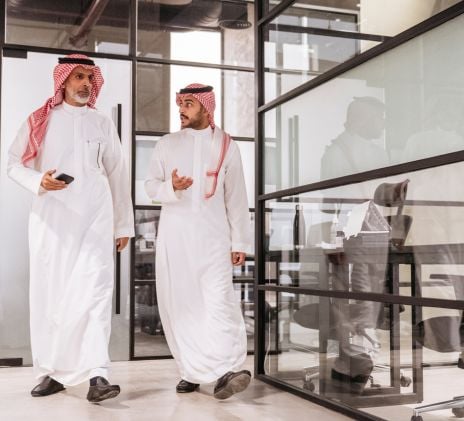
In today’s dynamic economic environment, the role of audit is undergoing a significant transformation. Once viewed primarily as a statutory requirement focused on compliance and historical accuracy, audit is now increasingly recognised as a tool for generating strategic insight. This shift is particularly relevant in Saudi Arabia, where the ambitions of Vision 2030 are driving wide-ranging reforms in corporate governance, economic diversification, and foreign investment.
Family businesses have long been the backbone of Saudi Arabia's economy, driving innovation, fostering generational wealth, and contributing significantly to the nation's growth. However, succession planning is a crucial challenge emerging as these businesses evolve in an ever-changing landscape. Effective succession planning ensures the seamless transition of leadership from generation to generation, safeguarding the business's legacy while embracing new perspectives. In this article, we delve into the strategies that Saudi family businesses can employ to navigate the complexities of succession planning and secure their prosperous future.
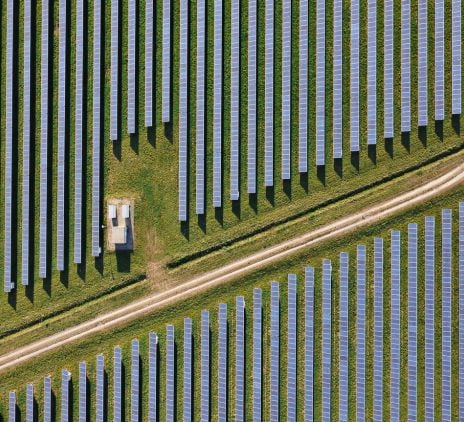
Similar to various other countries globally, Saudi Arabia is pursuing a shift towards a sustainable economy to decrease its dependency on fossil fuels and alleviate the consequences of climate change. The nation has established challenging objectives to elevate the portion of renewable energy in its energy blend, diminish its carbon emissions, and encourage sustainable growth. Accomplishing these goals necessitates substantial investments in green infrastructure, technologies, and innovation, and the finance sector will have a vital role in facilitating this transition.
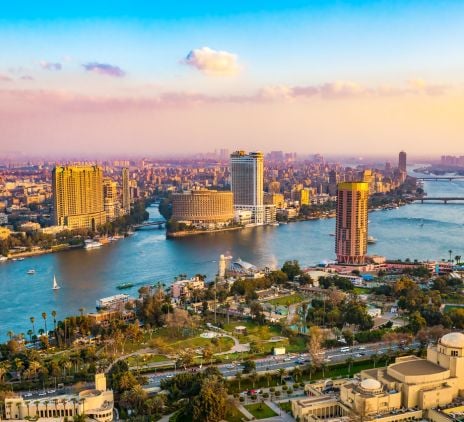
Egypt is an attractive investment destination for many reasons, with one of the most obvious being its geographic location. The country lies in the heart of North Africa and serves as a bridge between Europe, Asia, and Africa. This makes it strategically crucial on both global and regional levels, creating promising prospects for investments in transportation, logistics, as well as other infrastructure projects
Historically, Italy has been a land of opportunity, culture, and beauty. Home to the ancient Roman civilization, and the birthplace of the Renaissance period, Italy has been a key player in world history. Today, the country is now the eighth-largest economy in the world and the third-largest national economy in Europe. Italy is a country with immense potential for investment opportunities. With an economy of over $2 trillion, Italy offers investors numerous resources and prospects. In this article, we will explore the resources, prospects, and investments available in Italy.
India is a land of diverse opportunities. The country has a rich history and is home to a wide range of cultures, religions, and languages. India is also the world's second most populous country, with over 1.3 billion people. Despite its vast size and population, India is sometimes overlooked as an investment destination.
The Republic of South Africa is the southernmost country in Africa. It is a middle-income emerging market with an abundant supply of natural resources, and well-developed financial, legal, communications, energy, and transport sectors. Since the end of apartheid in 1994, South Africa has made great strides towards developing a more inclusive and prosperous society. The country is now known for its rich and vibrant culture, delicious food, and stunning natural landscapes.
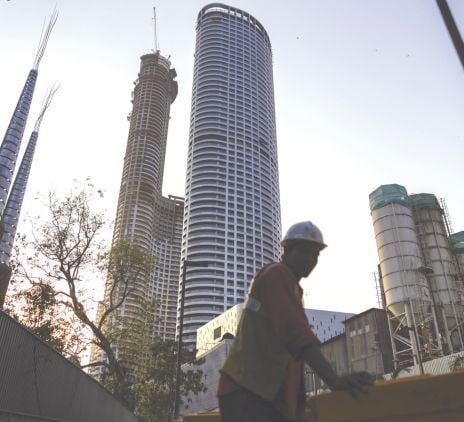
Saudi Arabia has a booming construction industry, with numerous high-profile projects underway. The Saudi government is investing heavily in infrastructure development, which is providing a significant boost to the construction sector
Considered the true north — strong and free — Canada is a land of opportunity with much to offer investors. From its abundant natural resources to its thriving economy, Canada is an attractive destination for those looking to go beyond the status quo. Despite America's northern neighbour often being overshadowed by its southern counterpart, Canada is a powerhouse in its own right and should not be overlooked by investors.
Policy measures, such as the Saudi Arabian government's commitment to the G20 Sustainable Development Goals, are the first step towards a greener future. However, to realise these goals, businesses need to join the effort and take concrete steps to operationalise sustainability and make it a part of their day-to-day operations.
The Saudi government's Vision 2030 initiative is well underway, and businesses are starting to feel the effects of economic realignment. While many opportunities have arisen for those who are prepared, there is still a lot of work to be done for the country to reach its goals. Businesses need to start thinking about how they can realign their operations to fit into the new framework.
The GCC IPO market is bucking trends across the U.S. and Europe. Leading the pack is Saudi Arabia, which saw 20 IPOs in 2021 — the highest activity in over 20 years. Investor confidence is high in the region thanks to rising oil revenues and unexpected economic growth. Outpacing IMF predictions, the Saudi economy grew by 9.9% in the first quarter of 2022, representing the highest growth rate in over a decade.
As the Saudi market evolves, family businesses need to adapt their strategies to continue to flourish and thrive. This means understanding the new opportunities and challenges that exist and leveraging them to their advantage. There may be some bumps along the way, but with the right approach family businesses will be well-positioned to capitalise on the Kingdom's evolving landscape.
Australia's economy is highly resilient, having navigated its way through the global financial crisis relatively unscathed. So, if you're looking for a new market to invest in, Australia should be on your radar. This article will give you an overview of the key reasons why Australia is such an attractive investment destination.
China has been a major destination for foreign investment for decades. The country offers a number of unique advantages and opportunities for businesses looking to expand their operations. Here are just a few of the reasons why China is such an attractive investment destination.
As part of Saudi Arabia's move towards economic diversification, the country has been actively seeking to attract foreign direct investment (FDI). Unexpected global events such as the outbreak of Covid-19 have caused significant changes in FDI patterns globally, and KSA is no exception. In this article, we explore the FDI trends in KSA over the past 12 months and look at how the pandemic has impacted investment flows as well as the projected trends moving forward.