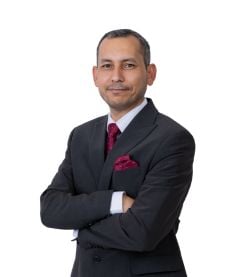
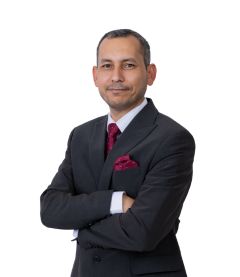
Mohammed leads Grant Thornton’s Indirect Tax practice in Saudi Arabia, bringing over 20 years of experience in VAT compliance, advisory, and real estate transaction tax (RETT) across Jordan and KSA. With a master's degree in Accounting, he is a Certified Public Accountant (JCPA) and a VAT Specialist accredited by SOCPA.
Mohammed has extensive expertise in indirect tax advisory, VAT compliance, tax due diligence, and dispute resolution with regulatory authorities such as ZATCA and GSTC. He played a key role in establishing Grant Thornton KSA’s Indirect Tax department and has led numerous VAT implementation projects for businesses across various industries, including manufacturing, retail, healthcare, education, professional services, transportation, and real estate.
Before joining Grant Thornton, Mohammed was an academic lecturer at leading universities in Jordan and Saudi Arabia. Prior to that, he served as a Senior Tax Auditor at the Income & Sales Tax Department in Jordan for over seven years. He also contributed to banking system transformation efforts at the Housing Bank in Jordan as part of the new system implementation team.
His deep technical expertise and strategic insights help businesses navigate complex indirect tax regulations, ensuring compliance while optimising tax efficiency.
Qualifications
- Bachelor of Accounting
- Master of Accounting
- Certified Public Accountant in Jordan (JCPA)
- VAT Specialist (SOCPA Certificate)
- Certified Trainer, National Entrepreneurship Institute